
Django deployment in 2026 is less about getting a server online and more about controlling risk across settings, static assets, database connections, process management, and observability. The framework gives you collectstatic, check --deploy, and good documentation on security headers, but the gap between a working laptop and a reliable production service is where most engineering time actually goes. In this hub I collect the deployment patterns, operational checklists, and production guides that cover what happens after manage.py runserver stops being enough.
Whether you are deploying to a VPS with Gunicorn and Nginx, running containers on Kubernetes, or using a platform service, the core concerns are the same: environment isolation, secret management, static file serving, database connection handling, process supervision, health checks, and log aggregation. The details change, but the pattern does not. For a broader framework overview, see the framework reference.
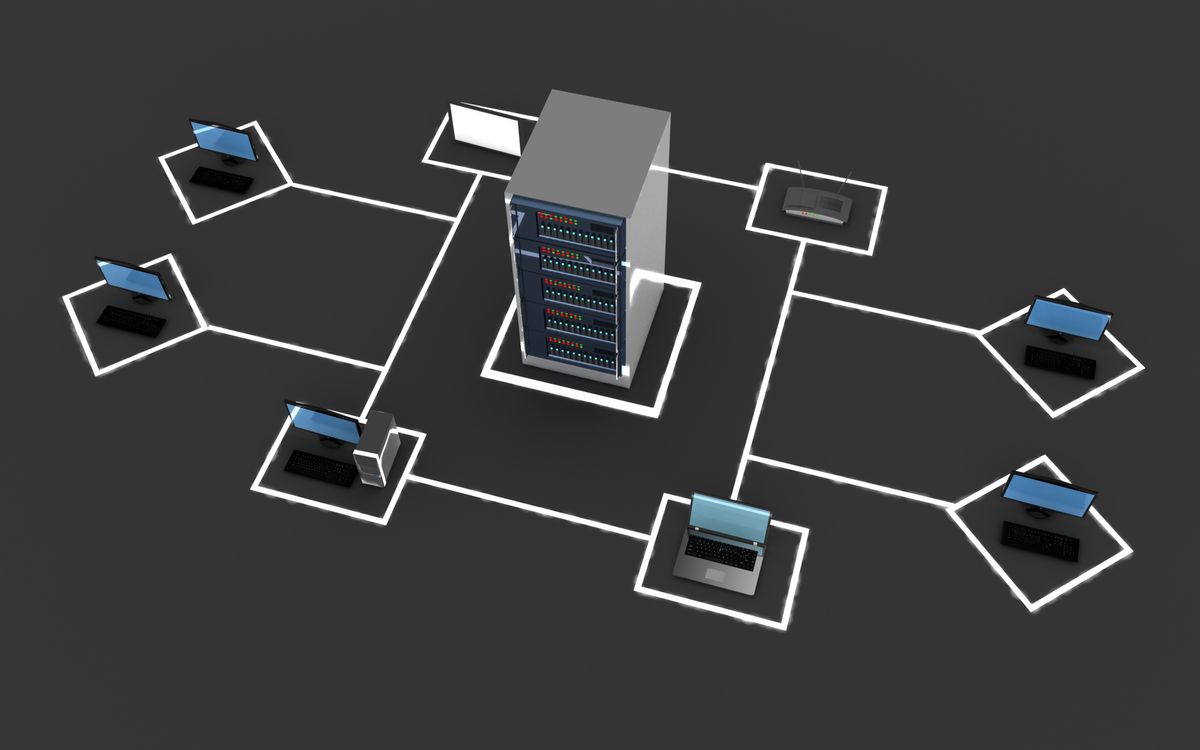
Deployment guides
Core deployment concerns
Every Django deployment shares a handful of concerns regardless of infrastructure. Settings separation ensures your production environment never inherits development defaults. Static file collection and serving moves your assets from scattered app directories to a single served location. Process management keeps Gunicorn or Uvicorn running reliably. Database connection handling prevents connection exhaustion under load. And health check endpoints let load balancers and monitoring systems know your application is actually alive.
The orchestration layer varies. Some teams run Docker containers behind a load balancer. Others deploy to platform services. A few still run bare-metal or VPS setups with systemd. The Django concerns are the same in every case. What changes is how you wire them together.

Common deployment mistakes
- Running production with DEBUG=True because settings separation was never implemented properly.
- Serving static files through Django in production instead of using WhiteNoise, Nginx, or a CDN.
- Not setting ALLOWED_HOSTS, which lets Django accept requests for any hostname.
- Ignoring database connection pooling until connection exhaustion causes 500 errors under load.
- Deploying without health check endpoints, which means load balancers cannot detect unhealthy instances.
- Forgetting to run collectstatic as part of the deployment pipeline.
What to read next
If you are preparing a Django application for its first production deployment, start with the settings for production guide and the static files guide. If you need background job processing, the Celery guide covers the worker setup and operational patterns. For database-specific concerns, see the PostgreSQL production guide in the ORM hub. For security hardening before launch, visit the security hub.